Daylight recessed lighting has become a go-to choice for homeowners wanting to bring brighter, more natural-feeling light into their spaces without the glare of harsh white bulbs. Whether you’re remodeling a kitchen, brightening a basement, or updating a home office, daylight recessed lighting fills a ceiling with clean, warm-neutral illumination that feels inviting. Unlike older incandescent or cool fluorescent options, modern daylight bulbs mimic the color temperature of actual daylight, around 5000K to 6500K on the Kelvin scale, making spaces feel larger and more open. This guide covers what daylight recessed lighting is, why it matters, how to install it safely, and where it works best in your home.
Table of Contents
ToggleKey Takeaways
- Daylight recessed lighting uses 5000K to 6500K color temperature bulbs to mimic natural daylight, making spaces feel brighter, larger, and more inviting than warm yellow light.
- LED daylight bulbs cost $8–$20 per bulb but last 25,000+ hours (6–10 years), resulting in significant annual energy savings of 200–400 kWh compared to older incandescent or halogen options.
- Daylight recessed lighting boosts focus and alertness while suppressing melatonin production, making it ideal for kitchens, home offices, bathrooms, and basements where precision and clarity matter.
- Safe installation requires planning fixture layout with 4–6 feet spacing, running proper wiring, and working inside ceiling cavities—hiring a licensed electrician ($100–$200 per fixture) is worth the cost if you’re unsure about electrical code.
- Daylight recessed lighting works best paired with dimmers in living rooms and bedrooms for flexible mood control, while windowless spaces and kitchens are ideal applications without compromises.
- Consider mixing daylight recessed fixtures with warm accent lighting or wall sconces to add visual interest and maintain design flexibility across your home.
What Is Daylight Recessed Lighting?
Daylight recessed lighting refers to recessed downlights (also called can lights or ceiling cans) that use bulbs rated in the 5000K to 6500K color temperature range. These lights sit flush with your ceiling, creating a sleek, uncluttered look while directing light downward into a room.
A typical recessed fixture consists of three main parts: the housing (the can that goes into the ceiling cavity), the trim ring (the decorative bezel visible from below), and the bulb. The color temperature of the bulb determines whether light appears warm, neutral, or cool. Daylight bulbs land in the cool-neutral zone, bright and crisp without feeling cold or sterile like old office fluorescents.
These bulbs come in different base types: LED is the standard now (lasting 25,000–50,000+ hours), while older CFL (compact fluorescent) or halogen options are less common and less efficient. When shopping, look for bulbs labeled “5000K” or “6500K” and verify they fit your fixture’s size, common sizes are 4-inch, 5-inch, and 6-inch trim diameters.
One key distinction: daylight recessed lighting is not natural daylight coming through a window. It’s electric light engineered to mimic daylight’s color, making interiors feel brighter and more connected to outdoor conditions, useful in windowless rooms or to supplement natural light.
The Benefits of Choosing Daylight Bulbs for Your Home
Energy Efficiency and Cost Savings
LED daylight bulbs are far more efficient than older technologies. An LED at 5000K typically uses 8–15 watts to produce the same brightness as a 60-watt incandescent or a 20-watt halogen. Over a year, the savings compound: if your home has ten recessed fixtures running 5 hours daily, switching to LED can save roughly 200–400 kWh annually, depending on your current bulbs and local electricity rates.
Cost-wise, LED daylight bulbs have dropped in price significantly. Expect to pay $8–$20 per bulb (versus $1–$3 for older tech), but the 25,000+ hour lifespan means fewer replacements. A typical LED bulb in a recessed fixture lasts 6–10 years with normal use, whereas halogens need replacing every 2–3 years. Do the math: you’ll spend less on bulbs, fixtures, and electricity.
Mood and Health Improvements
Daylight-color light influences mood and alertness. Studies show that cooler, brighter light (around 5000K) boosts focus and energy during the day, ideal for kitchens, home offices, and bathrooms. Neuroscience research indicates that bright daylight-temperature light suppresses melatonin production, keeping you alert when you need to be.
Psychologically, daylight bulbs make spaces feel larger and cleaner than warm yellow light. A dark basement or small home office feels instantly more inviting and energetic under daylight recessed fixtures. This perceived brightness also makes rooms easier to clean and task-friendly, you’ll spot dust, stains, and clutter more readily than under warm, dim lighting.
The visual clarity matters too. Tasks requiring precision, reading, cooking, detail work, are easier and less fatiguing under daylight-temperature light because the brain isn’t straining to distinguish colors in dim, warm-yellow conditions.
Installation Tips for DIY Enthusiasts
Installing recessed lights requires working inside your ceiling cavity, not a beginner’s first project, but manageable if you’re comfortable with basic electrical work and have a helper.
What you’ll need:
- Adjustable recessed light housing kit (rated for your ceiling type: insulated or non-insulated)
- Trim ring and bulb (daylight 5000K or 6500K)
- Wire (typically 14/2 or 12/2, depending on circuit load)
- Wire nuts and electrical tape
- Stud finder and measuring tape
- Drywall saw (for cutting fixture holes)
- PPE: Safety glasses, work gloves, and a dust mask (drywall and fiberglass insulation particles are irritants)
- Voltage tester or multimeter
Key steps:
-
Plan the layout on your ceiling, accounting for joists and any obstacles. Most recessed lights need 16–24 inches of clearance above the ceiling (check your housing spec sheet). Space fixtures 4–6 feet apart for even coverage.
-
Run wiring from an existing circuit or dedicated breaker. If you’re uncertain about electrical capacity or code compliance, hire a licensed electrician. Building codes vary by jurisdiction, and some installations require permits.
-
Cut holes using a drywall saw. Diameter varies by fixture size (4-inch, 5-inch, etc.): your housing kit should include a template.
-
Install the housing in the ceiling cavity, securing it to joists or bracing. Non-insulated housings sit directly against framing: insulated types sit inside fiberglass insulation without overheating.
-
Connect wiring to the fixture’s terminal block using wire nuts. Cap all connections securely.
-
Test the circuit with a voltage tester before closing the ceiling. Install drywall and tape seams, then install the trim ring and bulb.
Honest reality: If your ceiling has joists, tight insulation, or you’re unsure about electrical code, bringing in a licensed electrician is worth the cost (typically $100–$200 per fixture installed). A mistake here means tearing open your ceiling later.
Design Considerations and Room-by-Room Applications
Daylight recessed lighting suits different rooms based on function and aesthetics.
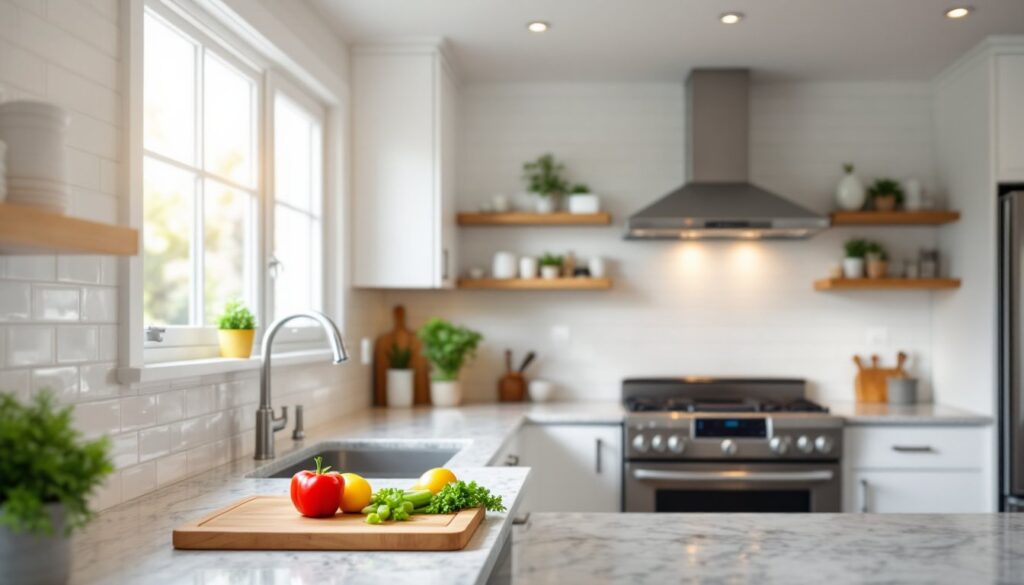
Kitchens and bathrooms are prime candidates. Daylight bulbs reveal true food and skin tones, making food prep and grooming easier. Pair recessed lights with task lighting (under-cabinet strips or vanity fixtures) for layered, functional brightness.
Home offices and workshops thrive under daylight lighting. The color temperature keeps users alert and makes details crisp. An electrician-installed grid of 5000K recessed lights transforms a dim garage or basement workbench into a productive space.
Living rooms and bedrooms require nuance. Many homeowners prefer warm light (2700K–3000K) for relaxation, but daylight works if you install a dimmer switch. Daylight on a dimmer lets you shift the mood: bright and energetic during the day, subdued in the evening. Warm bulbs, but, won’t brighten as effectively if dimmed (they just get duller).
Basements and interior rooms (no windows) are ideal for daylight recessed lighting since there’s no conflict with natural light. The illusion of brightness and clarity makes these spaces feel larger and more welcoming.
Ceiling height and spacing: In rooms with low ceilings (8 feet or less), space recessed lights 4–5 feet apart to avoid hot spots and shadows. In taller rooms or vaulted ceilings, 5–6 feet apart works. The recessed lighting housing selection affects downlight angle, adjustable fixtures (30° or 45° trim rings) give you control over spread and intensity.
Material and finish: Matte or black trim rings absorb light and reduce glare, while white or brushed finishes reflect more light. In living spaces, matte finishes feel less institutional than bright white.
Mixing color temperatures: You don’t have to go all-daylight. Many designers blend daylight recessed lights with warm accent lighting or wall sconces for flexibility and visual interest. A category dedicated to lighting design can inspire combinations that suit your style.
Conclusion
Daylight recessed lighting offers homeowners a modern, efficient way to brighten interiors with clean, natural-feeling light. Whether you hire a pro or tackle the installation yourself, starting with a clear plan, accurate measurements, and honest assessment of your electrical comfort level sets you up for success. The payoff, lower energy bills, a brighter space, and improved mood and function, makes the investment worthwhile.