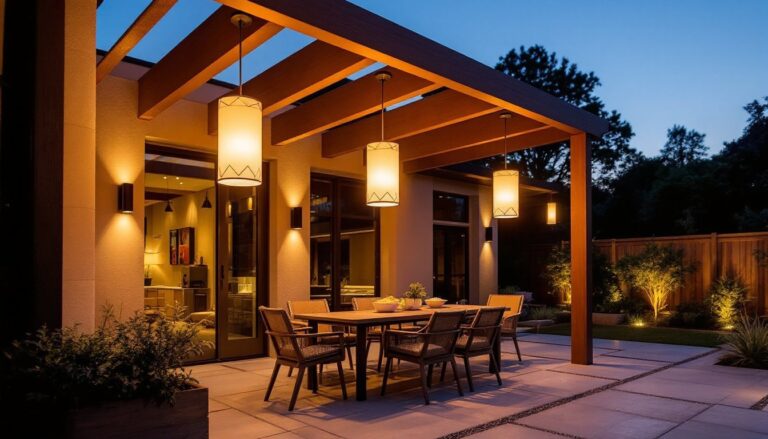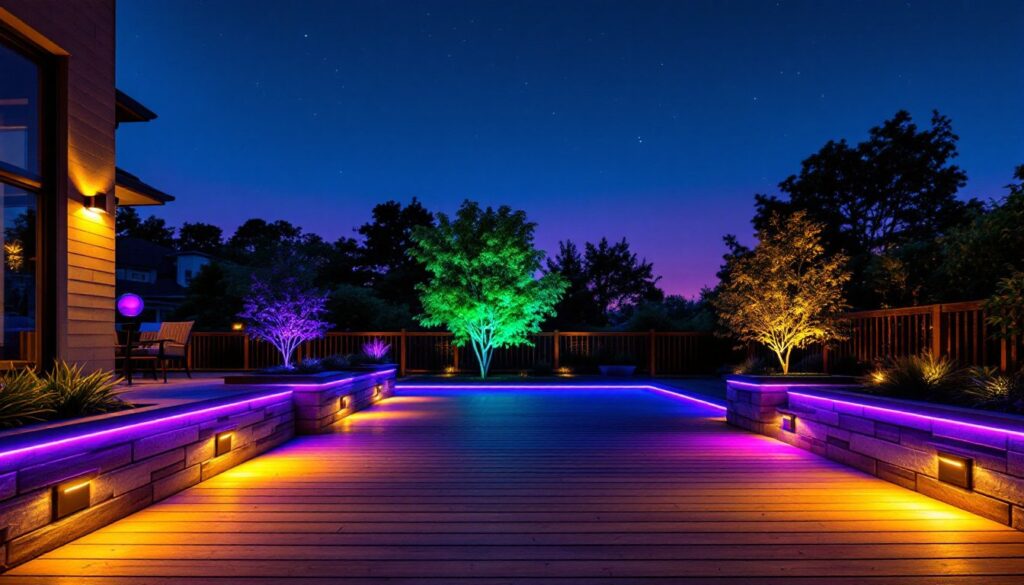
Your backyard disappears when the sun goes down, unless you light it up intentionally. Color LED outdoor lighting has moved beyond novelty into practical, affordable territory for homeowners who want to reshape their outdoor experience. Whether you’re creating an inviting patio for evening gatherings, adding accent lighting to garden features, or turning your deck into an entertainment hub, color-changing outdoor LED lighting offers flexibility that traditional white-only fixtures simply can’t match. This guide walks you through the why, how, and what of installing color LED outdoor lighting, from choosing the right system to actually getting it wired up safely.
Table of Contents
ToggleKey Takeaways
- Color LED outdoor lighting uses 75–80% less electricity than incandescent systems and lasts 25,000 to 50,000 hours, delivering significant energy savings and long-term value for homeowners.
- RGB systems offer vibrant color options ideal for entertainment spaces, while RGBW adds true white for versatility, and tunable white provides warm-to-cool adjustments without color effects.
- Prioritize brightness measured in lumens (10–20 lumens per square foot for ambient lighting, 50+ for task areas) and choose color temperature based on use: warm white (2700–3000K) for relaxation areas and cool white (5000K+) for task zones.
- Low-voltage (12V) outdoor lighting installations are DIY-friendly, safer than 120V systems, and typically don’t require permits, making them the practical choice for homeowners.
- Layer your color LED outdoor lighting design with overhead ambient light for function, mid-level lighting for balance, and accent lighting for character to create professional-looking backyard spaces.
- Regular maintenance including quarterly cleaning, annual waterproofing checks, and controller battery replacements extends the lifespan of your color-changing outdoor LED system well beyond its initial 15–20 year lifecycle.
Why LED Outdoor Lighting Is a Game-Changer for Your Home
LED outdoor lighting beats older halogen and incandescent systems on nearly every front. They run cooler, draw far less power, and last 25,000 to 50,000 hours, that’s roughly 15 years of nightly use before you need replacements. For color-changing variants, this longevity matters because smart-enabled LED systems cost more upfront: you want that investment to stick around.
Energy savings are real and measurable. LED systems use 75–80% less electricity than incandescent equivalents, which matters whether you’re running them on standard 120V household wiring or on low-voltage (12V) systems common in residential outdoor setups. That translates to lower utility bills and less strain on your outdoor circuits.
Color flexibility is the hidden advantage. Static white light works fine for general illumination, but color-changing systems let you adjust mood, highlight architectural features, or match holiday themes without rewiring. Most are smartphone-controlled now, so you’re not fumbling with a remote in the dark.
Understanding Color LED Options for Outdoor Spaces
Not all color LED systems are equal. The outdoor LED lighting color changing market splits between a few core types: RGB (red-green-blue), RGBW (RGB plus white), and tunable white (adjusting color temperature within the white spectrum only).
RGB systems produce millions of color combinations because red, green, and blue LEDs blend at varying intensities. They’re vibrant, fun, and ideal if you want your deck to glow purple on Friday nights and cool blue on movie nights. The trade-off: RGB setups don’t produce true white well on their own, so pure white accent lighting often looks slightly greenish or off-color. That’s why RGBW (adding a dedicated white LED) solves this, you get both true white and full color range, but the fixture costs more.
Tunable white systems skip color entirely and adjust only the warmth of white light, from 2700K (warm amber) to 5000K (cool daylight). They’re simpler, cheaper, and excellent if you want flexibility without gimmick: many homeowners prefer warm 3000K lighting for evenings and cooler 4000K for task-heavy areas like stairs or kitchens.
RGB vs. Single-Color: Which Is Right for You?
RGB (color-changing) fixtures suit entertainment-focused spaces. Patios where you host parties, pool areas, and decorative accent lighting all benefit from color range. But, they require smart control (WiFi or Bluetooth) and won’t work well as your primary general-purpose lighting, they’re supplemental.
Single-color or tunable white systems work better for reliable, consistent outdoor illumination. Outdoor stair lighting and pathway fixtures prioritize visibility and safety over mood, so a fixed warm white or tunable option is the practical choice. If your goal is safety-first lighting, skip RGB and go straightforward.
Mixed installations are smart. Use warm white for general deck or patio illumination and add RGB accents around planters, fences, or architectural features. This splits the load and lets you adjust mood without sacrificing baseline visibility.
How to Choose the Right Brightness and Color Temperature
Brightness is measured in lumens, not watts. A 60W incandescent bulb produces around 800 lumens: an equivalent LED might be 8–10W producing the same light. For outdoor spaces, aim for 10–20 lumens per square foot for general ambient lighting (think background glow on a deck) and 50+ lumens per square foot for task areas where you need to see clearly (cooking zones, seating that requires reading).
Color temperature is measured in Kelvin (K). Warm white (2700–3000K) feels inviting and is best for patios and lounging areas, it mimics candlelight and sunset. Neutral white (3500–4100K) works for balanced illumination and blends well with natural daylight. Cool white (5000K+) is energizing but can feel sterile: avoid it for relaxation zones unless you’re lighting a workspace.
When shopping for color changing outdoor led lighting systems, check lumens alongside color options. A 16-million-color system that outputs only 400 lumens won’t light your patio adequately even at max brightness. Cross-reference the lumen output on the spec sheet and match it to your space size and use case. Warmer tones (2700K) at the same lumen level appear slightly dimmer to the human eye than cool tones, so if you prefer warm white, bump lumens up slightly.
Installation and Setup Tips for DIY Enthusiasts
Before you buy a single fixture, confirm your outdoor electrical setup. Check whether you have existing low-voltage (12V) outdoor lighting circuits or if you’ll be running standard 120V. Low-voltage systems are safer and easier for DIYers, they don’t require a permit in most jurisdictions and are forgiving if something goes wrong. Standard 120V fixtures may require a permit and GFCI (ground-fault circuit interrupter) protection.
Materials and tools you’ll need:
- Color LED outdoor lights (fixtures)
- Low-voltage transformer (if using 12V) or dedicated outdoor breaker (if 120V)
- Outdoor-rated cable (12-2 or 14-2 for low-voltage, 12 AWG for 120V)
- Wire connectors rated for outdoor use (gel-filled butt connectors, not regular electrical tape)
- Weatherproof junction boxes
- Shovel (if burying cable)
- Utility knife, wire stripper, voltage tester
Safety first: Wear work gloves and eye protection when cutting cable. Use a voltage tester to confirm power is off before working with any 120V circuits. If you’re unsure about code compliance or structural placement, consult a licensed electrician, they’re cheaper than rewiring after a fire hazard.
Basic 12V low-voltage installation:
- Plan your layout. Sketch where fixtures go and measure cable runs. Low-voltage cable loses brightness over long distances (30+ feet), so place your transformer centrally.
- Mount the transformer in a dry, accessible location (garage wall, shed corner).
- Run cable from transformer to first fixture, buried 6 inches deep or under conduit if exposed to foot traffic.
- Use waterproof connectors to daisy-chain additional fixtures in parallel (all positive wires together, all negative together).
- Seal all connections with outdoor-rated wire nuts or solder them and wrap with silicone tape.
- Test for continuity with a voltage tester before burying cable.
Forcing connections or skipping waterproofing is how outdoor lights fail early. Spend the extra 10 minutes on proper sealing.
Design Ideas: Creating Ambiance With Color LED Lighting
Color-changing outdoor LED lighting shines (literally) in three main applications: accent lighting, task lighting, and entertainment.
Accent lighting highlights architectural or landscape features. Uplighting on trees, fences, or stone walls at 45-degree angles creates drama and depth. Soft RGB blues or cool whites make modern structures pop: warm ambers suit rustic or traditional homes. Start with 400–600 lumens per accent light and adjust from there.
Task lighting needs brightness over color flash. Dining areas, grills, and outdoor ceiling lighting for covered decks benefit from warm white (2700–3000K) at 15–20 lumens per square foot. You can still choose color-capable fixtures here, but keep them set to white during regular use and save the color effects for entertainment.
Entertainment lighting is where RGB truly plays. Create a spa mood with soft greens and blues around a hot tub, or set a party vibe with rhythmic color changes across deck railings and planter edges. Smart controls let you sync to music or set schedules: research outdoor smart lights if app control matters to you.
Layering matters. Combine overhead ambient light (bright, white) with accent and mood lighting at lower levels. This three-tier approach, overhead for function, mid-level for balance, accent for character, is what separates backyard spaces from Instagram-worthy outdoor rooms. Outdoor wall lighting modern solutions can anchor this layered approach, especially along patio perimeters.
Maintenance and Longevity: Keeping Your Outdoor Lights in Top Shape
LED outdoor fixtures are low-maintenance, but not no-maintenance. UV exposure, moisture, temperature swings, and insect nesting will eventually take their toll.
Clean fixtures quarterly, especially in dusty or salty coastal regions. Use a soft damp cloth and mild soap: avoid pressure washers, which can force water into seals. Pay special attention to lens covers and color filters, dust accumulation dims output faster than you’d expect.
Check waterproofing every spring. Walk the cable routes and look for cracks in junction boxes, corroded connectors, or caulk separation. Re-seal with silicone caulk (outdoor-rated, not standard paintable caulk) if you spot gaps. Water getting into a 120V connector is a shock or fire hazard: 12V is safer but still fails if moisture reaches circuit boards.
Monitor controller batteries if you’re using wireless remotes. Replace them annually or when range starts to lag. Smart WiFi systems can usually run firmware updates through their app: check monthly for patches, especially security-related ones.
Plan for 15–20 year replacement cycles for the LED chips themselves. Modern LEDs degrade gradually, losing about 20–30% brightness over that span. If your outdoor LED lighting color changing system dims noticeably (not just dirty lenses), the emitters are aging and a fixture upgrade is overdue. You don’t have to replace everything at once, swap out accent fixtures first, then general lighting.
Sources like The Spruce and Digital Trends regularly review new smart outdoor lighting products, so check those when your system nears end-of-life. By the time you’re due for replacement, smarter controls and cheaper RGB options will be standard.