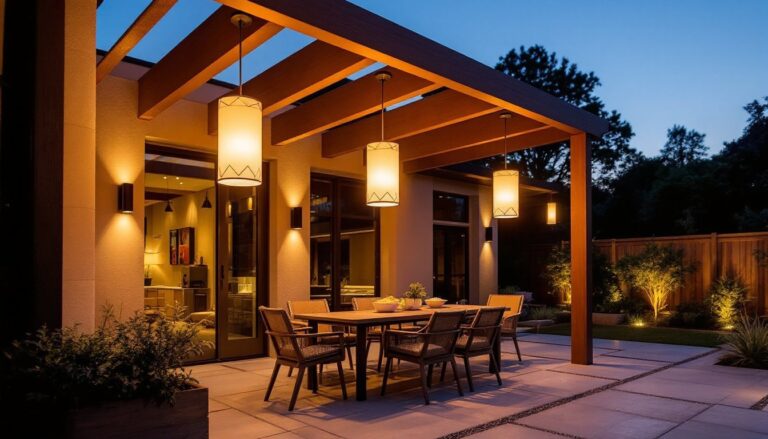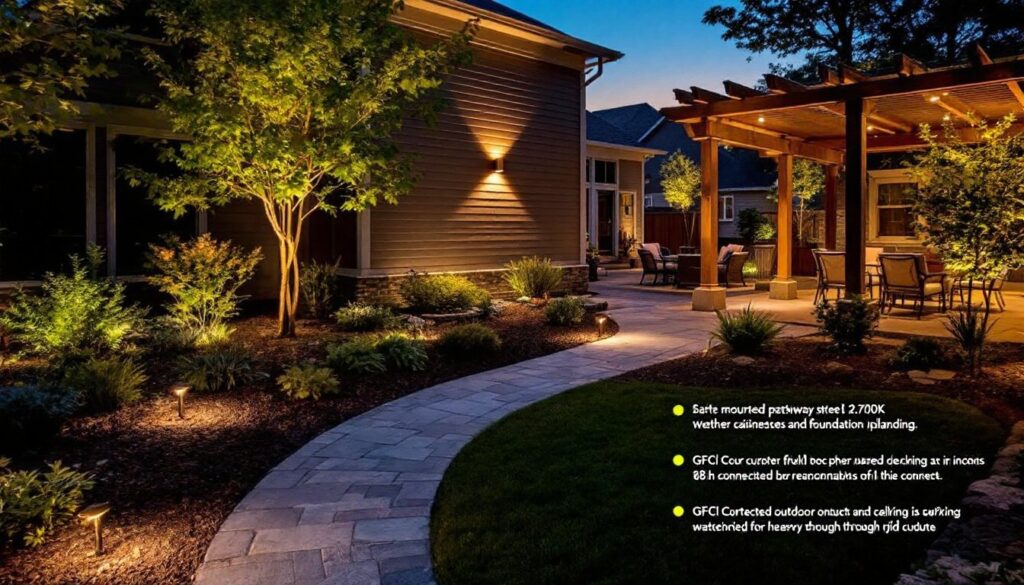
Outdoor lighting transforms a yard from an afterthought into a functional, inviting extension of your home. Whether you’re installing outdoor lighting to enhance curb appeal, improve security, or create an entertainment space, the right approach makes all the difference. Unlike indoor projects, outdoor lighting installation involves weatherproofing, proper electrical standards, and strategic placement to achieve both safety and ambiance. This guide walks you through everything, from choosing fixtures to understanding the installation process, so you can tackle the project with confidence.
Table of Contents
ToggleKey Takeaways
- Outdoor lighting installation improves home security, increases property value, and extends your usable outdoor living space while reducing tripping hazards on pathways and decks.
- Choose weatherproof fixtures rated IP65 or higher made from materials like cast aluminum or marine-grade stainless steel, and prioritize LED bulbs that consume 75% less energy than incandescent alternatives.
- Plan your outdoor lighting layout carefully by mapping pathways, dark corners, and entry points, calculating wattage limits (standard 120-volt circuits handle 15 amps/1,440 watts), and selecting appropriate light temperatures for security versus ambiance.
- Outdoor lighting installation requires GFCI-protected circuits, proper conduit burial (at least 18 inches deep), corrosion-resistant hardware, and waterproof connections following National Electrical Code standards.
- Always call 811 before digging, wear appropriate safety gear, and hire a licensed electrician if you’re uncomfortable with electrical work or if local codes require professional installation for your project.
- Maintain outdoor lighting by cleaning lens covers seasonally, checking connections annually for corrosion, and addressing flickering lights or GFCI trips promptly to ensure long-term performance and safety.
Why Outdoor Lighting Matters for Your Home
Outdoor lighting serves multiple purposes beyond aesthetics. It improves security by illuminating entry points and deterring unwanted visitors, increases home value by highlighting architectural features, and extends usable outdoor living space into the evening hours.
Proper lighting also reduces tripping hazards on pathways, decks, and stairs, a safety consideration that shouldn’t be overlooked. According to outdoor lighting design standards, well-lit properties feel safer and more welcoming. Whether you’re hosting gatherings or simply wanting to enjoy your yard after dark, strategic lighting is an investment that pays dividends.
Choosing the Right Outdoor Lighting Fixtures
Selecting fixtures means balancing style, function, and durability. Outdoor lights must handle moisture, temperature swings, and UV exposure, so always look for weatherproof ratings (typically IP65 or higher) and materials like cast aluminum or marine-grade stainless steel.
Consider your home’s architecture and your lighting goals. Do you need accent lighting to highlight landscaping, task lighting for pathways, or ambient lighting for entertaining? Energy efficiency matters too, LED fixtures consume 75% less energy than incandescent options and last significantly longer, making them ideal for outdoor use.
Popular Fixture Types and Their Uses
Pathway lights sit low to the ground (12–18 inches) and guide foot traffic along walkways and driveways. They typically use LED bulbs and are solar-powered or wired directly to an electrical circuit.
Floodlights cast broad beams across large areas and work well for security or accent lighting on building facades. Most floodlights require 100–150 watts of power.
Wall-mounted sconces provide both function and visual interest, commonly installed beside doorways or on deck railings. Outdoor wall lighting fixtures come in modern and traditional styles to complement your home.
Ceiling-mounted fixtures hang from pergolas, soffits, or porch ceilings and provide broad downward illumination. Outdoor ceiling lighting works especially well for entertaining spaces.
String lights and Edison bulbs create ambient, festive atmospheres perfect for patios and decks. While charming, they’re typically less practical for primary outdoor lighting needs.
Planning Your Outdoor Lighting Layout
Before digging into installation, sketch your yard layout on paper or digitally. Mark existing structures, pathways, dark corners, and entry points. Identify which areas need security lighting (entrances, driveways) versus ambient or accent lighting (gardens, seating areas).
Calculate wattage carefully. A standard 120-volt outdoor circuit can safely handle 15 amps, delivering roughly 1,440 watts. Multiple fixtures add up quickly, budget accordingly to avoid overloading circuits.
Think about light temperature too. Warm white (2,700K–3,000K) creates a welcoming atmosphere, while cool white (4,000K–5,000K) provides brighter, security-focused illumination. Mixing both can define zones and improve functionality.
Consider smart lighting options. Connected fixtures controlled via smartphone apps or voice assistants offer flexibility and energy savings, though they require a compatible smart home technology setup. Plan conduit runs and wire gauge before breaking ground, moving wiring later is costly.
Step-by-Step Installation Process
Installing outdoor lighting install requires careful attention to electrical codes and safety. The National Electrical Code (NEC) specifies requirements for outdoor circuits, including the use of GFCI-protected circuits and properly rated conduit for buried wiring.
Step 1: Shut off power. Turn off the circuit breaker for the relevant circuit. Use a voltage tester to confirm power is off before handling any wiring.
Step 2: Run wiring. Outdoor circuits typically require 10-gauge or 12-gauge wire (depending on amperage and distance) run through rigid PVC or Schedule 40 conduit for underground sections. Bury conduit at least 18 inches deep in most jurisdictions, though codes vary, check local regulations.
Step 3: Install junction boxes and outlets. All outdoor outlets and connections must be in weatherproof enclosures rated for outdoor use. Install a GFCI outlet at the power source to protect against ground faults.
Step 4: Mount fixtures. Position pathway lights, wall sconces, and other fixtures according to your layout. Use corrosion-resistant hardware (stainless steel or galvanized bolts) to prevent rust and fixture degradation.
Step 5: Connect wiring. Strip wire ends, use appropriately rated connectors (gel-filled wire nuts or compression connectors work outdoors), and seal connections with waterproof tape. Avoid leaving exposed copper, corrosion will cause failure.
Step 6: Test and install bulbs. Restore power and test each circuit with a multimeter or by observing the fixtures. Install LED bulbs and covers once confirmed operational.
Essential Tools and Safety Precautions
Essential tools:
- Voltage tester and multimeter
- Trenching shovel or power auger (for burying conduit)
- Wire strippers and crimpers
- Drill or impact driver with appropriate bits
- Level and measuring tape
- Conduit bender (if working with metal conduit)
Safety precautions:
- Wear safety glasses and heavy work gloves when handling conduit, digging, and wiring.
- Use ear protection when operating power equipment like augers.
- Call 811 before digging to locate buried utilities, this is legally required in most areas.
- Ensure all outdoor circuits are GFCI-protected to prevent electrical shock.
- If you’re uncomfortable working with electrical wiring, hire a licensed electrician. Local permits may require professional installation depending on circuit capacity and scope.
Maintenance and Troubleshooting Tips
Outdoor lighting requires periodic maintenance to stay functional and safe. Clean lens covers and reflectors every season to maintain brightness, dirt and oxidation significantly reduce light output. Replace corroded hardware and seal any cracks in fixture housings to prevent water intrusion.
LED bulbs last 25,000+ hours, but check connections and outlets annually for corrosion. If lights flicker or won’t turn on, test the circuit with a multimeter to confirm power delivery. A failed GFCI outlet often trips when wet, check the GFCI unit itself before assuming fixture failure.
Winter weather is tough on outdoor lighting. Heavy snow can block upward-facing fixtures: ice buildup stresses mounting hardware. In harsh climates, consider seasonal adjustments or protective covers for delicate fixtures.
For complex repairs, installation guidance, or professional assessment, outdoor light repair services in your area can help. Many homeowners find that a professional inspection every few years prevents costly failures.
Understanding outdoor lighting installation best practices, from layout to maintenance, ensures your investment delivers beauty and function for years. Don’t hesitate to call a licensed electrician if code compliance, circuit capacity, or structural integration feels beyond your comfort zone. Safety and proper function always come first.