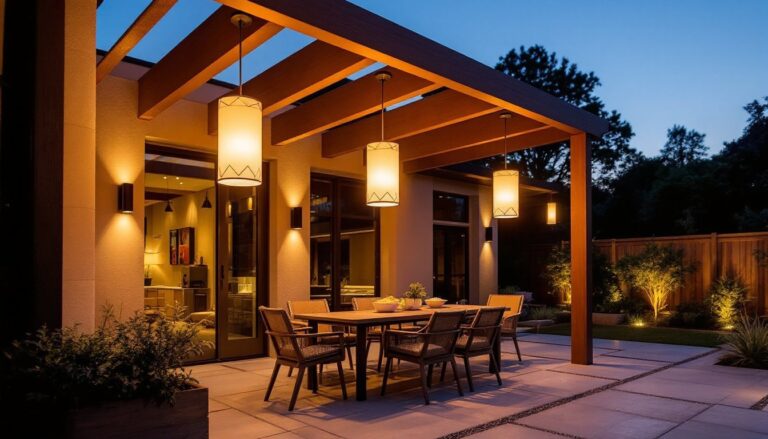
When darkness falls, most Kansas City homeowners watch their outdoor space disappear. A well-designed landscape lighting system changes that, extending your usable yard hours well into the evening while boosting curb appeal and security. Unlike generic string lights, professional-grade outdoor lighting creates depth, highlights architectural features, and makes entertaining after sunset genuinely enjoyable. Whether you’re lighting a pathway, accentuating plantings, or illuminating a deck, the right setup requires thoughtful fixture selection and strategic placement, not just tossing lights at your property. This guide walks you through the fundamentals of landscape lighting design and installation, so you can create an outdoor space that looks intentional and works hard year-round.
Table of Contents
ToggleKey Takeaways
- Landscape lighting in Kansas City extends outdoor entertaining hours while improving security and curb appeal by creating visual depth and highlighting architectural features.
- Choose durable fixtures rated IP65 or higher and made from brass, bronze, or marine-grade stainless steel to withstand Kansas City’s humidity and seasonal temperature swings.
- LED bulbs at 2700K color temperature provide warm, inviting ambiance and use a fraction of the power compared to incandescent or halogen alternatives, lasting 25,000+ hours.
- Low-voltage 12V systems are safer and easier to install than line-voltage options, requiring only a transformer connected to a GFCI outlet and shallow burial trenches 4–6 inches deep.
- Start with a modest installation of 4–6 well-placed path and accent lights, test placements at night, and expand later—most Kansas City homeowners complete a basic landscape lighting setup in a weekend.
Why Landscape Lighting Matters in Kansas City
Kansas City’s seasons demand practical outdoor lighting solutions. Summer evenings stay warm enough for late-night gatherings, but without proper lighting, your deck and pathways become liabilities after sunset. Winter months bring early darkness and occasional ice, accent lighting on driveways and walkways becomes a safety issue, not just aesthetics. Landscape lighting solves both problems simultaneously.
Good lighting extends the perceived size of your outdoor space and creates visual interest that plain daytime views can’t achieve. A uplighted tree becomes a focal point: a softly lit pathway invites exploration rather than stumbling. Security-wise, motion-activated fixtures deter trespassers and illuminate dark corners that might otherwise invite trouble. Most Kansas City homeowners find that investing in landscape lighting increases both the functional enjoyment and the resale value of their property.
The region’s humidity and occasional severe weather (ice storms, heavy rain, wind) mean fixtures must be rated for outdoor use and properly grounded. Cheap plastic lights fail within a season: quality bronze or stainless steel units handle moisture and temperature swings without corroding or cracking.
Essential Types of Outdoor Lighting for Your Landscape
Landscape lighting falls into several categories, each serving a distinct purpose. Understanding these types helps you plan a balanced, functional design rather than randomly scattering fixtures.
Path and Accent Lighting
Path lights are low-voltage fixtures (typically 12V) mounted on short stakes along walkways, driveways, and garden beds. They cast soft pools of light on the ground, useful for safety and wayfinding, without blinding anyone approaching. Quality path lights use warm color temperatures (2700K to 3000K) that feel welcoming rather than harsh. Many Kansas City homeowners position path lights every 3 to 4 feet along major routes, spacing them further on secondary paths.
Accent lighting targets specific features: a foundation planting bed, a specimen shrub, a stone wall. Spotlights (usually 50–75 watts for halogen, or 10–20 watts for LED) focus light tightly on the subject. A well-placed accent light can transform a flat landscape into a layered, sophisticated composition. Start with 1 to 3 accent lights per major landscape zone: you can always add more once you see how they perform at night.
Uplighting and Spotlighting Techniques
Uplighting mounts fixtures at ground level, directing light upward at trees, architectural features, or statuary. This technique creates drama and shadow play that daylight never produces. Place uplights close to the base of a specimen tree, angled to graze the trunk and canopy, it’s more theatrical than illuminating the entire tree uniformly. For Kansas City properties with mature oaks or maples, uplighting turns them into evening focal points.
Spotlighting works similarly but uses more concentrated beams to highlight smaller features or create a wash of light on a wall or fence. Position spotlights 8 to 12 feet away from the target, adjusting the beam angle (typically 30°, 45°, or 60°) to suit. A tight 30° spotlight might highlight a doorway: a wider 60° beam washes an entire garden bed. Experimenting with distances and angles takes time, but the results justify the adjustment work.
Choosing the Right Fixtures and Bulbs for Your Kansas City Climate
Material and durability matter more in Kansas City than in drier regions. Fixtures exposed to humidity and temperature swings should be cast brass, solid bronze, or marine-grade stainless steel. Plastic components will crack: cast aluminum oxidizes unless properly coated. Check product specifications for an IP rating (Ingress Protection) of at least IP65, meaning the fixture is dust-tight and protected against water jets. Fixtures rated IP67 or higher handle occasional submersion and prolonged moisture, ideal for low-lying lights in wet soil or near water features.
Bulbs: LED dominates landscape lighting now, and rightfully so. An LED landscape bulb uses a fraction of the power of incandescent or halogen equivalents, runs cooler, and lasts 25,000+ hours. For warm, inviting ambiance in Kansas City yards, choose 2700K (warm white) color temperature: it mimics the golden light of sunset and feels residential. Higher color temperatures (4000K+) look clinical and are better reserved for security or task lighting.
Voltage systems come in two flavors: line-voltage (120V) and low-voltage (12V). Low-voltage systems are safer, easier to install yourself, and allow you to run wires directly buried in soil without rigid conduit. Most residential landscape lighting uses 12V. A transformer converts 120V household current to 12V: place it in a weatherproof box near an outdoor outlet. Line-voltage fixtures (hard-wired directly to your home’s electrical system) require a licensed electrician and permits, but they’re more powerful and suit large properties. For a typical Kansas City residential lot, start with a quality low-voltage kit and expand later if needed.
Dimming and controls: Smart systems now let you dim landscape lights or set schedules via smartphone, turning off lights at midnight to save energy or ramping them up for an evening party. Basic options cost $150–$300 and integrate with existing low-voltage systems: fancier setups run higher. For most DIYers, a simple photocell timer (turns lights on at dusk, off at dawn) combined with manual overrides suffices.
Practical Installation Tips for DIY Landscape Lighting
Before you buy anything, sketch your property to scale, mark existing trees and structures, and walk the yard at night to see which areas feel dark or unsafe. This planning step saves money and prevents the frustration of moving fixtures mid-project.
Materials and tools you’ll need:
• 12V transformer (500–1500W, depending on fixture count and wattage)
• Low-voltage cable (12/2 or 12/4 gauge, depending on run length)
• Path and accent fixtures (quality brass or bronze)
• LED bulbs (2700K, appropriate wattage)
• Weatherproof outlet timer or smart control (optional)
• Shovel or spade
• Utility knife
• Wire strippers
• Screwdrivers
Installation steps:
-
Lay out cables and fixtures dry first. Place fixtures where you think they belong, run cable along routes (near plant beds, fence lines), and walk it at night to confirm the effect. Mark final positions with spray paint or stakes.
-
Dig shallow trenches for cables, 4 to 6 inches deep is sufficient for residential low-voltage wiring in Kansas City (freeze-thaw cycles are less severe than northern regions, but depth still protects the line). Avoid sharp stones and roots that might puncture insulation.
-
Connect the transformer to an outdoor GFCI outlet in a weatherproof box. This outlet should be protected by a ground-fault circuit interrupter, which trips if there’s any moisture contact, critical for safety near water or in damp soil.
-
Run cable from the transformer along your planned routes. Bury it in the trench, or lay it above ground along mulch beds or under edging for temporary installations (easier to adjust). Cable doesn’t need conduit if buried shallowly in residential landscape.
-
Connect fixtures to the cable using integrated connectors (twist-on caps or push-in terminals, most modern kits use simple connectors that don’t require soldering). Strip ¼ inch of insulation from the cable, insert into the connector, and tighten.
-
Test all fixtures before burying cable. Turn on the transformer at dusk and walk the site. Adjust fixture angles, remove any that look awkward or create glare, and reposition accent lights for best effect.
-
Bury cable once everything works. Backfill trenches carefully, leaving cable loosely in place so freezing soil doesn’t damage it. Mark the route with flags or edging so you don’t accidentally dig into it next season.
Key safety reminders: Wear gloves when handling cable and connectors to prevent accidental cuts. If you live in an area with underground utilities (gas, water), call 811 before digging, they’ll mark lines at no cost. Always use a GFCI-protected outlet for outdoor electrical work. If you need to run cable across high-traffic areas, use a cord cover to prevent tripping hazards.
Most Kansas City homeowners complete a basic landscape lighting install in a weekend. More complex designs with multiple zones and smart controls take longer, but the fundamentals remain the same. Don’t hesitate to start small, even 4 to 6 well-placed fixtures transform an average yard into something special at night. Recessed lighting has become, and outdoor lighting follows similar design principles: thoughtful placement and quality fixtures yield years of reliable performance. For broader inspiration, explore landscape lighting kansas city and related outdoor design topics. If you’re considering permanent solutions, outdoor ceiling lighting options can complement ground-level landscape lighting beautifully. Resources like The Spruce and Gardenista offer extensive galleries of landscape lighting designs to spark ideas for your Kansas City property.
Conclusion
Landscape lighting transforms how you experience your outdoor space after dark. By choosing durable fixtures rated for Kansas City’s climate, selecting warm-toned LED bulbs, and carefully planning your layout before installation, you’ll create an outdoor environment that’s both beautiful and functional. Start simple, test placements, and refine as you go. A modest investment in quality landscape lighting pays dividends in safety, curb appeal, and evening enjoyment for years to come.