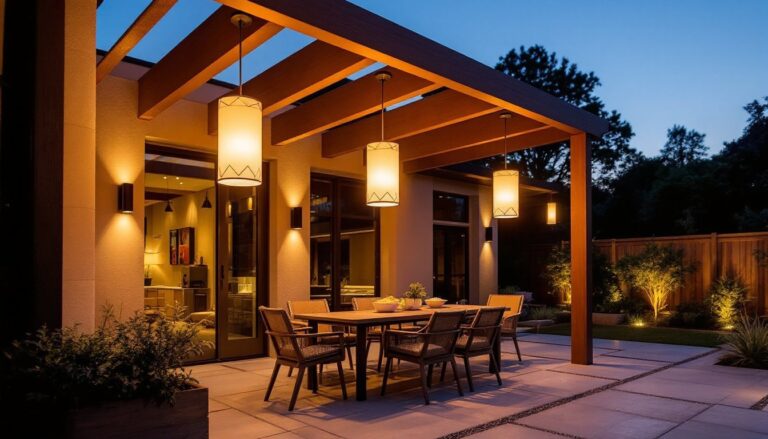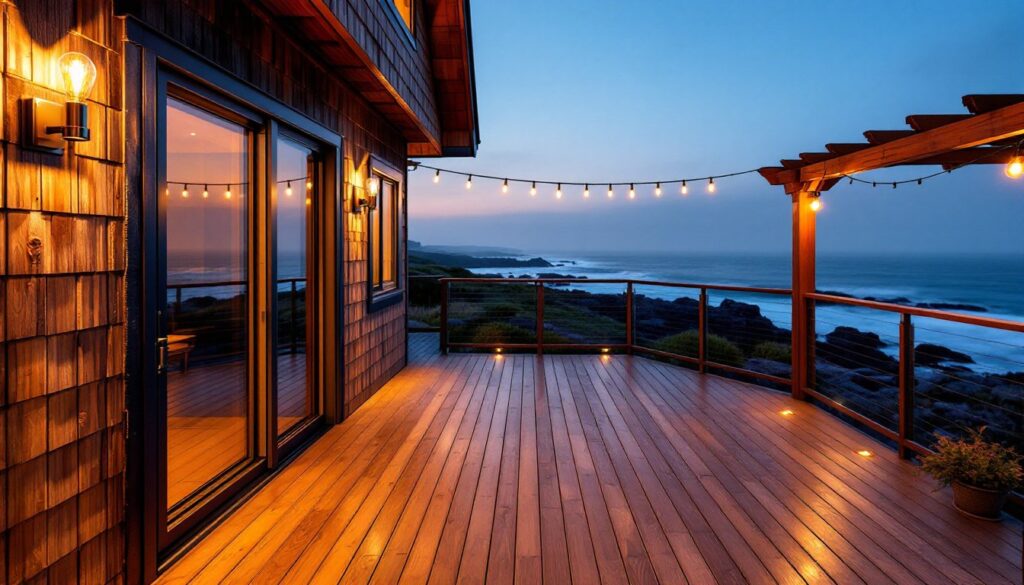
If you live near the coast, around pools, or in humid climates, standard outdoor lights won’t cut it. Marine grade outdoor lighting is engineered to withstand saltwater spray, UV exposure, and extreme weather, the kind of punishment that corrodes regular fixtures within months. Unlike typical outdoor lights, marine-grade options use corrosion-resistant materials like stainless steel and specialized coatings that keep them functioning and looking sharp for years. Whether you’re outfitting a coastal deck, a poolside patio, or just want fixtures that won’t rust out after one season, understanding what makes marine-grade lighting worth the investment is the first step toward a durable outdoor space.
Table of Contents
ToggleKey Takeaways
- Marine grade outdoor lighting uses 316 stainless steel, sealed connectors, and UV-resistant coatings to withstand saltwater spray and extreme weather, lasting 10+ years compared to 2 seasons for standard fixtures.
- LED technology in marine-grade fixtures delivers energy efficiency and 25,000+ hours of operation, reducing replacement frequency and minimizing moisture exposure risks during installation.
- Proper installation with stainless fasteners, marine-grade silicone caulk, and sealed electrical connections is critical—salt spray doesn’t forgive sloppy work, so hire a licensed electrician for new circuits.
- Wall sconces, deck lights, string lights, and submersible options offer flexible marine grade outdoor lighting solutions for coastal decks, pools, and patios depending on aesthetic and functional needs.
- Annual spring inspections and fresh-water rinses remove salt residue and catch corrosion early, preventing costly fixture failures and extending the lifespan of your investment.
- Marine-grade construction isn’t a luxury in coastal environments or areas with high humidity—the upfront cost pays off by eliminating frequent replacements and maintenance headaches.
Why Marine Grade Lighting Matters for Outdoor Spaces
Standard outdoor fixtures use mild steel or aluminum that oxidizes quickly in harsh environments. Marine grade lighting, by contrast, is rated for saltwater and corrosive atmospheres, think NEMA 6 or higher enclosure ratings and materials that laugh at rust.
The difference shows up fast. A budget outdoor sconce might last two seasons near the ocean before salt spray corrodes the housing and electrical connections. A marine-grade equivalent will keep working and looking good for a decade or more. That durability translates to fewer replacements, less maintenance headaches, and a fixture that actually earns its place on your home.
Beyond rust resistance, marine-grade fixtures are built with sealed connectors, stainless steel hardware, and paint or powder coat systems designed to resist UV damage and fading. If you’ve ever seen outdoor lights that turned chalky or peeling after a couple of years, you know how much finish quality matters.
Understanding UV Resistance and Saltwater Protection
UV radiation breaks down plastic, paint, and sealants, it’s why outdoor gear fades and cracks over time. Marine-grade fixtures use UV-stabilized plastics and powder coats formulated to resist this degradation. The result is a light that stays color-fast and doesn’t become brittle.
Saltwater protection comes down to material selection and design. 316 stainless steel is the gold standard, it resists saltwater corrosion far better than 304 stainless or painted mild steel. Fasteners are also stainless or coated, because a single galvanized screw can become a rust pit in a marine environment. Gaskets and seals use marine-grade rubber or silicone that won’t harden and crack from UV and salt exposure.
Electrical connections are equally important. Marine-grade fixtures feature sealed connectors with dielectric grease to prevent corrosion at terminal points. This isn’t paranoid engineering, it’s the difference between a light that works when you flip the switch and one that flickers or fails because moisture got into the connection.
If you live more than a few miles inland with low humidity, a good-quality standard outdoor light may suffice. But if salt spray or constant moisture is part of your climate, marine-grade construction isn’t a luxury, it’s basic math.
Top Marine Grade Outdoor Lighting Fixtures to Consider
Marine-grade fixtures come in a range of styles, from utilitarian to contemporary. The best choice depends on your aesthetic, the area you’re lighting, and your budget.
LED Wall Sconces and Deck Lights
Wall-mounted sconces are workhorses for coastal homes, decks, and patios. They cast light downward or outward to illuminate pathways, seating areas, and entrances without creating glare. For marine environments, look for solid brass or 316 stainless steel bodies with sealed bezels and gaskets.
LED technology is a game-changer for marine-grade sconces. LEDs run cool, use a fraction of the energy of incandescent or halogen fixtures, and last 25,000+ hours. This matters because fewer replacements mean fewer chances for moisture to enter during installation. Choose 2700K to 3000K color temperature for warm, welcoming light on patios: 4000K for task lighting around decks or entries.
Wattage varies, but a typical marine-grade LED sconce delivers 400–800 lumens at 7–12 watts. That’s plenty for accent or pathway lighting without being overkill. For brighter task lighting near a grill or workbench, you might step up to 1000+ lumens, but most residential spaces use multiple lower-output fixtures for better visual balance.
Installation is straightforward if you’re comfortable running electrical cable. Most sconces mount directly to studs or solid backing on exterior walls. Make sure your circuit can handle the load and that you use a weatherproof junction box and marine-grade wire nut connectors. If you’re not handy with electrical work, hire an electrician, coastal salt spray doesn’t forgive sloppy connections, and you want everything done right the first time.
Deck lights, also called step lights or rail lights, are smaller cousins of wall sconces. They mount to railings, stairs, or low posts to mark edges and improve navigation. A recessed deck light with a stainless trim ring blends seamlessly: an upright post light adds a decorative touch. Either way, sealed LED modules are essential in marine settings.
String Lights and Ambient Solutions
Marine-grade string lights are trickier than sconces because of all those connection points, but they’re doable if you choose wisely. Look for fixtures with corrosion-resistant wire, sealed cable connections, and stainless hardware. Weatherproof outdoor string lights made with marine-grade PVC insulation and copper or stainless steel connectors are far superior to indoor strands thrown outside.
Globe or Edison-style bulbs add charm, but confirm they’re rated for marine environments. Many decorative bulbs are not. Marine-grade versions use corrosion-resistant sockets and durable filaments or LED elements designed to survive humidity and salt spray.
Festoon or café-style stringing is popular for patios and pergolas. The look is inviting, but maintenance is the catch, you’ll need to rinse salt residue periodically and inspect connections for corrosion. If you’re near the ocean, inspect every 3–6 months. A simple hose-down works if you use low pressure to avoid forcing water into connections.
Flush-mount or semi-flush ceiling fixtures also exist in marine-grade versions. These are ideal if you have a covered patio or carport that needs overhead lighting without hanging exposed. A brass or stainless steel dome with a sealed gasket protects the lamp and internals. These are less decorative than string lights but far more durable in harsh climates.
For pools and wet areas, consider submersible or pool-rated lights. These are built to NEMA 6 or higher standards and can tolerate full water immersion. They’re overkill for a patio, but if you’re lighting near splashing water or a water feature, they’re the right tool.
Installation Tips for Maximum Performance and Longevity
A marine-grade fixture is only as good as its installation. Here’s what pros do differently.
Start with prep. If you’re replacing an old fixture, turn off the breaker, remove the old housing, and inspect the wall. Look for rot, rust stains, or moisture damage in the wall substrate. Wet or soft wood means you’ve got a bigger problem, address water intrusion before hanging lights. Sand any rust or corrosion from the mounting surface and apply a marine-grade sealant or primer if you’re working on bare metal.
Use the right fasteners and sealant. Stainless steel lag bolts or expansion anchors are mandatory: galvanized or steel fasteners will rust. When the fixture gasket sits against the wall, apply a bead of marine-grade silicone caulk (not standard caulk, this stuff is formulated for saltwater environments) around the base of the fixture. This keeps water from creeping behind the escutcheon plate. Wipe away excess caulk with a wet finger before it dries.
Electrical connections demand extra care. Use marine-grade wire nuts or crimped connectors, not plastic twist connectors. If running a new circuit, use UV-rated outdoor electrical cable rated for wet locations (typically THWN-2 or similar). Conduit protects wire from UV and mechanical damage, even a few feet of rigid conduit around a fixture entrance is worth the cost. Use a marine-grade junction box rated for wet locations, and seal all openings with caulk or silicone.
Slope and drainage matter. If water can pool on top of or around a fixture, it will find its way in. Mount wall sconces so water runs off, not into mounting holes. For post-mounted fixtures, slope the top of the post slightly so rainwater drains. If you’re building a new structure or outdoor wall, consider slope during framing.
Let sealants cure. Silicone caulk needs 24–48 hours to fully cure before exposure to water. Plan your installation accordingly, don’t run lights in rain or irrigate the area for at least 2 days after finishing.
Annual inspection is your friend. Every spring, inspect fixtures for salt residue, corrosion, loose connections, or cracks in gaskets. A quick hose-down with fresh water (if you’re near the coast) removes salt buildup. Check that all fasteners are tight and that caulk is still intact. Small problems caught early prevent costly failures.
For electrical work beyond flipping a breaker, especially if you’re running new circuits or upgrading service, consult a licensed electrician. Local codes vary, and coastal areas sometimes require stricter standards. A pro install costs more upfront but saves headaches and ensures everything meets code.
Conclusion
Marine grade outdoor lighting is an investment that pays off through durability and reliability. Choosing fixtures built with stainless steel, sealed connections, and UV-resistant finishes means fewer replacements and less frustration. Proper installation, using the right fasteners, sealants, and electrical practices, locks in that performance. Whether you’re lighting a coastal home, a poolside retreat, or just want fixtures that can handle humidity and salt spray, marine-grade options keep your outdoor space bright and beautiful for years to come. When you consider the cost of replacing corroded fixtures every season, spending more upfront on quality makes solid financial sense.