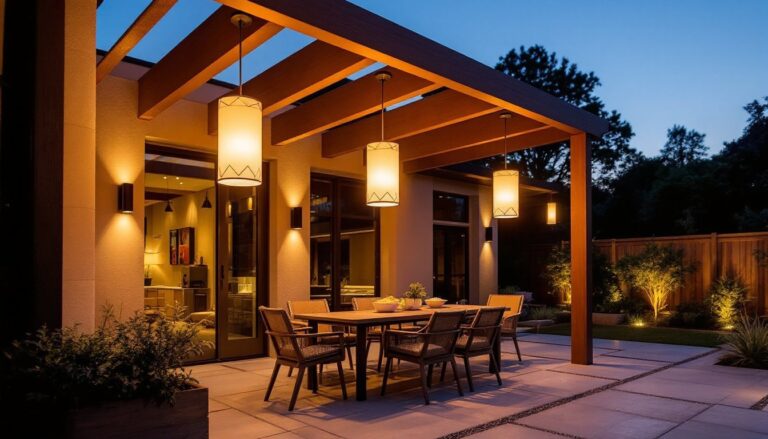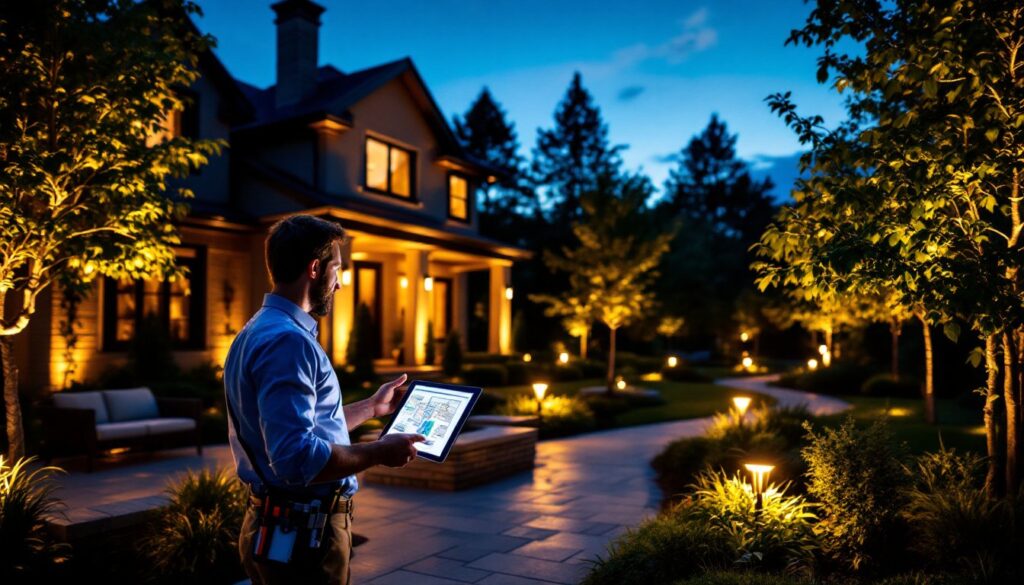
Landscape lighting isn’t just about illuminating your yard after sunset, it’s about extending your outdoor living space, boosting curb appeal, and adding a layer of security to your home. But if you’ve never worked with landscape lighting designers before, the process can feel overwhelming. Where do you start? How do you know who’s qualified? What should you expect to pay? This guide walks you through finding landscape lighting designers near you, asking the right questions, and ensuring the final design turns your outdoor vision into reality.
Table of Contents
ToggleKey Takeaways
- Landscape lighting designers are specialized professionals who combine technical electrical knowledge with design expertise to create illuminated outdoor spaces that enhance curb appeal, security, and usability.
- Finding landscape lighting designers near you starts with online searches and local directories like Google Business, Angi.com, and HomeAdvisor—always verify licensing and insurance before hiring.
- Request written design plans or 3D renderings from candidates to visualize the project, and schedule consultations during both daylight and evening hours so designers can assess how your property looks at different times.
- Ask landscape lighting designers about their approach to code compliance, warranty coverage, whether they handle installation or refer to electricians, and what permits are required before making a final decision.
- A professional consultation should include a detailed site plan, fixture specifications, estimated costs, and timeline—treat this written proposal as your roadmap and don’t hesitate to ask clarifying questions.
What Landscape Lighting Designers Do
Landscape lighting designers are professionals who specialize in planning, designing, and often overseeing the installation of outdoor lighting systems. They’re not just electricians, they combine technical knowledge of electrical systems with an eye for aesthetics and a solid grasp of how light transforms outdoor spaces.
A landscape lighting designer will assess your property’s layout, identify focal points (trees, architectural features, patios), and recommend fixtures that complement your home’s style while meeting practical needs like pathway illumination and security. They understand lumens, color temperature, beam angles, and energy efficiency. They know which fixtures hold up in rain, how to position lights to avoid glare, and how to create layers of light, ambient, task, and accent.
They also coordinate with electricians, ensure code compliance (many jurisdictions require permits for outdoor electrical work), and can advise on wiring, transformers, and whether a system should run on line voltage or low-voltage systems. Think of them as the bridge between your vision and a workable, safe, attractive outdoor lighting plan.
How to Find Qualified Landscape Lighting Designers in Your Area
Online Search and Local Directories
Start with a simple Google search: “landscape lighting designers near me” or “outdoor lighting design [your city].” You’ll see a mix of local businesses, Google Business listings, and review aggregators. Look for designers with a solid online presence, a website showing portfolio photos, service areas, and customer testimonials.
Platforms like Angi.com’s exterior lighting service listings let you filter local professionals by ratings and read detailed reviews. HomeAdvisor offers similar functionality and provides cost estimates based on project scope. ImproveNet is another solid resource for finding contractors and getting multiple bids.
Check that designers are licensed and insured. Most states require landscape contractors to be licensed: some states also require additional licensing for anyone working with outdoor electrical systems. Don’t skip this step, it protects you if something goes wrong.
Ask for Referrals and Check Reviews
Ask neighbors, friends, or local contractors for recommendations. Word-of-mouth referrals are goldmines because they come with honest feedback about professionalism, timeliness, and quality. If a designer comes recommended by someone whose landscape you admire, that’s a strong signal.
Once you’ve identified a few candidates, read reviews carefully. Look for patterns in feedback: Do customers praise attention to detail? Do they mention the designer was responsive and flexible? Red flags include complaints about missed deadlines, unexpected costs, or poor communication. Check the designer’s work portfolio, request before-and-after photos and ask for references you can contact directly.
Key Questions to Ask Before Hiring
Once you’ve narrowed your list, schedule consultations with your top candidates. Here are the questions that matter:
Design and Process:
- How do you approach a landscape lighting design? (Do they walk the property at different times of day and night? Do they consider seasonal changes?)
- Will you provide a written design plan or 3D rendering? (A reputable designer should offer this so you see the plan before installation.)
- How many revisions are included in your design fee?
Technical and Code Compliance:
- Are you licensed and insured? (Non-negotiable.)
- What permits will this project need, and who handles them?
- Do you specialize in low-voltage or line-voltage systems, or both? (Low-voltage systems are safer and easier to install: line-voltage is more powerful but requires professional installation.)
- What warranty do you offer on fixtures and installation?
Cost and Timeline:
- What’s your design fee, and is it refundable if I hire you for installation?
- Do you handle installation, or do you recommend an electrician? (Some designers do both: others refer you to a trusted electrician.)
- What’s the typical project timeline from design to completion?
- Are there additional costs I should budget for (permits, unexpected wiring, upgrades)?
References and Portfolio:
- Can you provide three recent customer references?
- May I see your portfolio of similar properties?
- Are you willing to show me existing installations in neighborhoods near mine?
What to Expect From a Professional Landscape Lighting Design Consultation
A quality initial consultation should take 30 to 60 minutes and ideally happen both during daylight and evening hours so the designer can see how your property’s features look at different times. They’ll walk your yard, ask about your goals, and take notes and measurements.
The designer should discuss your budget, preferred style (modern, traditional, naturalistic), and specific areas you want to highlight, a specimen tree, a patio, a driveway, pool, water feature, or architectural details. They’ll ask about existing landscaping, shade patterns, and whether you have plans to expand or renovate your yard soon. All of this feeds into a customized plan, not a one-size-fits-all solution.
After the initial consultation, expect a written proposal that includes a site plan or rendering showing fixture placements, fixture types with specifications, estimated costs, and a project timeline. Review this carefully, it’s your roadmap. Ask questions if anything is unclear. A professional designer welcomes this and will adjust the plan if needed.
During installation, the designer or their electrician team should ensure all work meets local codes, test all fixtures before finishing, and walk you through operation and maintenance of your new system. Many also provide a maintenance plan or schedule to keep everything in top shape.
Conclusion
Finding the right landscape lighting designer means doing your assignments: search online, ask for referrals, check credentials and reviews, and ask pointed questions before hiring. A qualified professional will turn your outdoor space into something functional and beautiful that you’ll enjoy every evening. The investment pays dividends in curb appeal, usability, and home value.