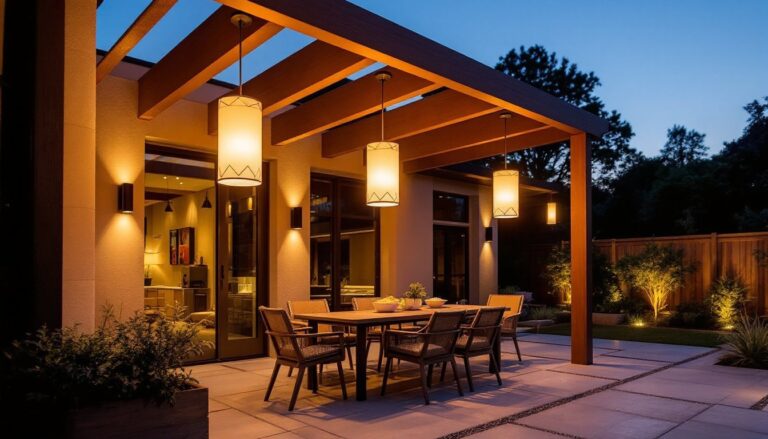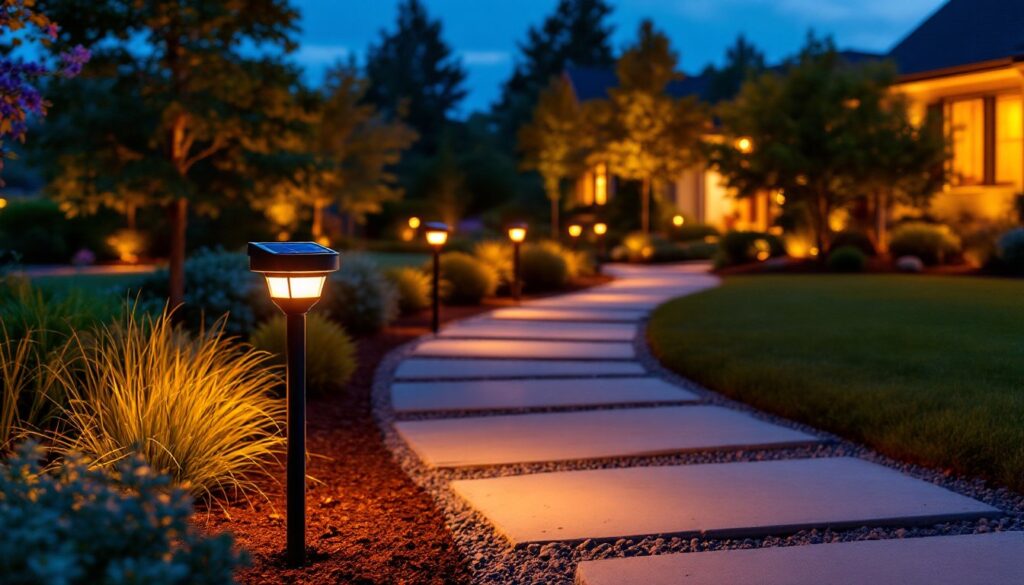
Outdoor path lighting transforms a dark yard into an inviting landscape while keeping visitors safe after dark. More than just aesthetic appeal, good path lighting prevents trips and falls, defines walkways, and extends the usable time of your outdoor space. Whether you’re planning a simple garden path or an elaborate deck approach, understanding your lighting options and installation methods is key to getting results that work year-round. This guide walks you through everything you need to know about choosing and installing outdoor path lights that suit your needs and budget.
Table of Contents
ToggleKey Takeaways
- Outdoor path lighting enhances safety by preventing trips and falls while improving security and curb appeal, making it a worthwhile investment for any homeowner.
- Solar-powered path lights are the most budget-friendly and DIY-friendly option, requiring zero wiring and costing $10–$30 per light, though performance depends on adequate sunlight exposure.
- Low-voltage LED systems offer brighter, weather-resistant illumination and cost $50–$150 for a complete kit, making them ideal for primary walkways where consistent brightness is critical.
- Proper installation requires spacing lights 6–8 feet apart for solar models and 4–6 feet for low-voltage fixtures, along with calling 811 before any digging to avoid hitting buried utilities.
- Regular maintenance, including quarterly cleaning of solar panels and annual cable inspections for low-voltage systems, extends the lifespan of outdoor path lighting and ensures year-round reliability.
Why Outdoor Path Lighting Matters
Path lighting serves dual purposes: safety and ambiance. A well-lit walkway prevents stumbling and falls by illuminating steps, raised edges, and uneven terrain. For homeowners, this means fewer liability concerns if guests navigate your property after sunset. Beyond safety, outdoor path lighting improves security by reducing dark corners where intruders might linger, and it dramatically enhances curb appeal, the glow of landscape lighting draws eyes to your home’s best features at night.
Path lights also extend your outdoor living season. Instead of retreating indoors once the sun drops, you and your family can enjoy patios, decks, and gardens well into the evening. The right lighting creates an inviting atmosphere for entertaining, and studies show that homes with thoughtfully designed outdoor lighting appear more valued and cared-for to potential buyers.
Building codes in most jurisdictions don’t mandate path lighting, but they do require safe, non-hazardous passages. Local codes vary, so check with your municipality before planning major installations. The good news: path lighting is one of the easiest outdoor projects to install yourself, and there’s flexibility in how you power and position your lights.
Types of Outdoor Path Lighting
Solar-Powered Path Lights
Solar path lights are the go-to choice for most DIY homeowners. These self-contained units have a built-in rechargeable battery, LED bulb, and solar panel, and they require zero wiring. Simply stake them into the ground along your pathway, and they’ll charge during the day and illuminate automatically at dusk. Most solar path lights are 12 to 24 inches tall and consume minimal power, so they run all night without drawing electricity from your home.
The upside is clear: no digging, no electrician needed, and virtually no operating cost. Modern solar lights from reputable manufacturers provide adequate brightness for pathway definition. The downside is that they depend on sunlight during the day, in cloudy climates or under tree cover, charging suffers. Battery life typically ranges from 2 to 5 years before degradation becomes noticeable. Many homeowners opt for a mix of solar lights along less-critical paths and reserve wired lighting for primary walkways or areas requiring brighter illumination.
When shopping for solar path lights, look for models with Li-ion or NiMH batteries (avoid older NiCd types) and at least 15 to 20 lumens output. Check product reviews for actual brightness in real-world conditions, marketing specs often overstate performance. Expect to spend $10 to $30 per light.
LED and Low-Voltage Options
Low-voltage lighting systems run on 12-volt DC current delivered through buried or surface-run cable from a transformer. These systems offer brighter, more reliable illumination than solar and work consistently regardless of weather or season. You’ll install lights along the path, run cable to a central transformer, plug the transformer into an outdoor GFCI outlet, and the lights turn on automatically with a timer or photocell.
Low-voltage LED lights draw minimal power, typically 3 to 5 watts per fixture, so a transformer can run 15 to 20 lights on a standard 15-amp circuit. Installation requires trenching or careful cable routing, but the payoff is professional-grade lighting. Brightness ranges from subtle accent lighting (2 to 4 lumens) to functional walkway lights (50+ lumens). Because the voltage is stepped down from 120 volts, shock hazard is eliminated, and installation doesn’t require a licensed electrician in most jurisdictions.
Hard-wired LED path lights integrate with your home’s electrical system and offer permanent, high-reliability illumination. These are typically used when you’re renovating or upgrading your entire landscape and want everything on one system. Hard-wired installations may require a permit and professional installation, especially if new circuits are needed. The trade-off: higher upfront cost and installation labor, but unmatched consistency and brightness control.
Low-voltage systems run $50 to $150 for a complete kit with transformer and several lights: individual fixtures cost $15 to $40. Hard-wired systems are pricier and best left to licensed electricians.
Planning Your Outdoor Lighting Layout
Before buying a single light, walk your property at dusk and note where you move. Mark stairs, path edges, slope changes, and transitions between levels with temporary stakes or chalk. This tells you where lights matter most for safety. Don’t over-light: a rule of thumb is spacing path lights 6 to 8 feet apart for solar models and 4 to 6 feet for brighter low-voltage lights. Closer spacing creates a defined path: wider spacing suggests a subtle glow.
Consider the ambiance you want. Warm white LEDs (2700K to 3000K color temperature) feel cozy and residential, while cooler whites (5000K+) look commercial. Most solar and landscape lights come in warm white, which is ideal for residential settings. Avoid overly bright lights near seating areas, they’re harsh on the eyes and wash out your landscape. Reserve focused brightness for functional areas like deck steps and entries.
Account for obstacles. Trees, shrubs, and structures block light and create shadows. Space lights to avoid dark gaps, and plan for future plant growth that may eventually shade solar panels. If using low-voltage cable, route it along hardscape surfaces or bury it at least 12 inches deep to avoid accidental damage. Mark the cable location with paint or flags so family members and service providers know it’s there. Many landscape conflicts happen because buried utilities, including landscape lighting cables, aren’t marked.
Measure your pathway length and multiply by the number of lights you’ll need. Add a buffer (10 to 20% extra) for future additions or replacements. Sketch a simple plan on paper: this prevents impulse purchases and ensures consistent spacing.
Installation Tips and Best Practices
For Solar Path Lights:
- Choose a location with at least 6 hours of direct sunlight daily. Morning sun is preferable to afternoon shade cast by structures or trees.
- Clear weeds and grass from the planting spot so the light sits level and stable.
- Push the stake firmly into the soil at least 4 to 6 inches deep. On hard ground, use a rubber mallet to drive the stake without damaging it.
- Clean the solar panel monthly, especially after rain or dust storms, to maintain charging efficiency.
- Remove the plastic tab on the battery before first use: this disconnects the circuit and is easy to forget.
For Low-Voltage Systems:
- Dig a shallow trench (2 to 4 inches deep) along your pathway. A narrow spade or edger works faster than a full-size shovel.
- Lay the 12-volt cable in the trench, keeping it free of kinks and sharp bends that can damage insulation.
- Install light fixtures at marked intervals, ensuring connections are tight and water-resistant. Most connectors use a simple push-fit design with a waterproof silicone seal.
- Bury the cable fully, or use a decorative cover if the pathway is visible. Test all lights before backfilling and compacting soil.
- Position the transformer near an outdoor GFCI outlet under a covered area or in a weatherproof box. Never leave it exposed to rain or direct sunlight.
- Install a timer or photocell so lights activate automatically at dusk and turn off at dawn or at a set time.
General Safety and Prep:
Always call 811 (or your local utility locating service) before digging anywhere on your property. This identifies gas, water, electric, and telecom lines and prevents dangerous and costly accidents. Wear work gloves and safety glasses while installing any lights, and use insect repellent if working at dusk. For wired systems, wear hearing protection if using a power auger to dig the trench.
Test lights before final placement. A dead solar light or faulty connector won’t perform, and discovering this after installation wastes time. Most solar lights charge fully in one sunny day: if a light fails after 24 hours of good sun, return it. For low-voltage systems, plug in the transformer and verify all lights illuminate before burying cable.
Slope and drainage matter. Path lights near downspouts or in soggy spots may fail prematurely. Position lights on slight rises or use gravel bases to improve drainage around the fixture. Wet soil conducts current differently and can affect light performance over time.
One more thing: don’t assume all lights in a kit are identical. Some may arrive with dead or weak batteries. Test and swap as needed so every light starts at full capacity.
Maintaining Your Path Lights
Solar lights need minimal maintenance but benefit from seasonal care. Clean panels quarterly or after storms to remove dust, pollen, and bird droppings that reduce sunlight absorption. A soft cloth and water work fine: avoid abrasive scrubbers that scratch the plastic panel. In fall, check stakes for frost heave, freezing and thawing can push lights out of the ground. Push them back down and refill any gaps with soil.
Batteries in solar lights typically last 2 to 5 years. When a light dims noticeably or fails to charge, the battery is dead. Most solar fixtures allow you to unscrew the top and swap the battery: check the fixture design first. Replacement batteries cost $5 to $10 and extend the light’s life significantly. If the LED fails, the entire fixture usually needs replacement, as LEDs aren’t designed to be user-serviceable.
For low-voltage systems, inspect cable annually for cuts, exposed copper, or damage from lawn mowers and landscaping. Repair minor cuts with waterproof electrical tape: replace severely damaged sections. Check connector seals and tighten any loose connections. Most failures stem from loose connections, not wire defects. If a single fixture fails, test the connector first before assuming the bulb is bad.
Transformers last many years but should be kept clean and dry. If a transformer gets waterlogged or corroded, replace it, repair isn’t cost-effective. Photocells and timers can fail: if lights stop responding to dusk, the photocell may be blocked by dirt or debris. Clean it or replace it (usually $15 to $30).
In regions with hard freezes, consider removing or protecting solar lights if ice and snow become extreme. The panels can crack under heavy snow load. Low-voltage cable buried below the frost line (typically 2 to 4 feet, depending on your region) is safe: shallowly buried cable in freeze-thaw zones may rupture. Check local frost depth before planning trench depth.