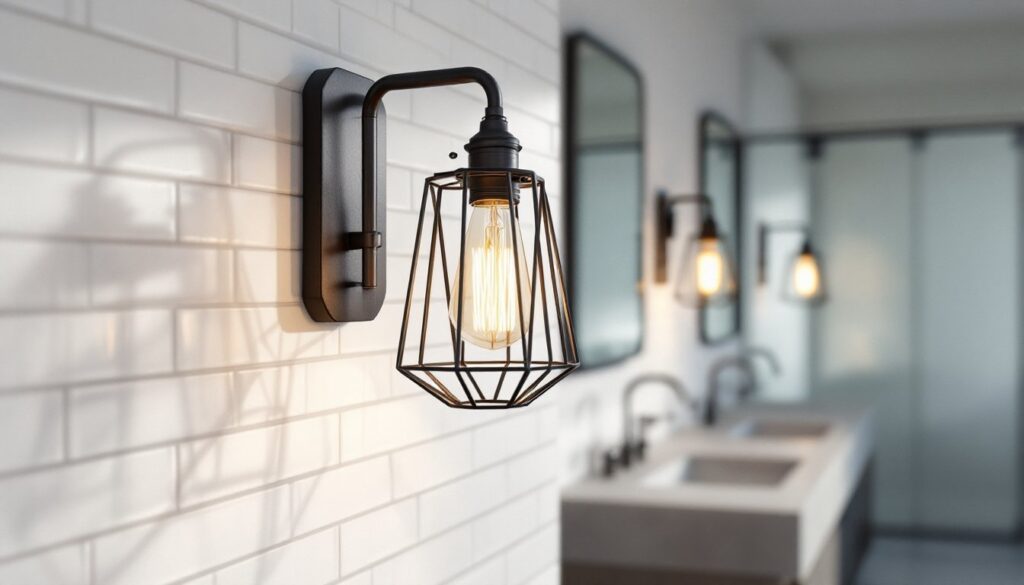
Industrial bathroom lighting has moved from warehouse conversions and hipster coffee shops into mainstream home design, and for good reason. These fixtures blend raw materials, no-fuss aesthetics, and robust functionality in ways that other styles struggle to match. Whether you’re remodeling a dated master bath or upgrading a powder room, industrial lighting can anchor the space with personality while delivering the brightness and durability every bathroom demands. This guide walks you through what industrial bathroom lighting is, why it works, what to look for when shopping, and how to install it properly.
Table of Contents
ToggleKey Takeaways
- Industrial bathroom lighting combines raw aesthetic appeal with robust functionality, delivering durable fixtures that age gracefully and complement modern, transitional, or eclectic bathroom designs.
- Choose fixtures made from solid steel, cast iron, or brass with powder-coated or sealed finishes to ensure resistance to bathroom moisture, humidity, and corrosion.
- Verify that industrial lighting fixtures meet UL or ETL standards for wet or damp locations, and position fixtures at least 5 to 8 feet from shower edges to avoid moisture-related failures.
- Popular industrial bathroom lighting styles include cage pendants for task lighting above vanities, wall sconces flanking mirrors, and linear vanity bars for even, shadowless illumination.
- Plan your fixture layout before purchasing, ensure proper mounting with appropriate hardware rated for the fixture weight, and hire a licensed electrician for complex work or if permits are required in your jurisdiction.
- Modern LED filament replicas replicate the iconic Edison-bulb aesthetic while using 80% less energy than true vintage incandescent bulbs.
What Is Industrial Bathroom Lighting?
Industrial bathroom lighting draws inspiration from early-20th-century factories, warehouses, and utility design. Think exposed metal cages, bare Edison bulbs, and vintage-style pendants, fixtures that celebrate their functional origins rather than hiding them. These lights typically feature steel or iron frames, minimal ornamentation, matte finishes, and open designs that reveal the bulb and socket.
What sets industrial fixtures apart is their honesty. You see the mechanical details: the cage protecting the bulb, the exposed wiring (or its simulation), the mounting hardware. This deliberate lack of pretense appeals to homeowners tired of plastic shades and overly decorative trim. In a bathroom, industrial lighting brings that same straightforward approach, durability and task lighting wrapped in unapologetic design.
Industrial style pairs well with concrete, shiplap, black tile, reclaimed wood, and brass or bronze accents. It doesn’t demand these materials, though. Industrial fixtures work equally well in modern, transitional, or even eclectic bathrooms when the rest of the palette stays relatively clean and minimal.
Benefits Of Industrial Lighting In Bathroom Design
Aesthetic Appeal And Design Versatility
Industrial lighting makes a statement without forcing the entire bathroom into a single aesthetic. A vintage-style cage pendant works above a floating vanity paired with subway tile or modern solid-surface countertops. The fixture carries visual weight and personality, allowing other elements to stay neutral and budget-friendly. You’re not painting accent walls or sourcing rare vintage tile, the lighting does the heavy lifting.
These fixtures also age gracefully. Unlike trendy light styles that feel dated in five years, industrial designs have staying power because they reference an era that spans decades. A black steel wall sconce or brushed bronze fixture won’t clash if you eventually refresh wall color or swap out vanity hardware. Homeowners browsing design inspiration on Remodelista and similar curated platforms consistently see industrial fixtures as enduring design choices rather than temporary trends.
Durability And Long-Term Value
Bathroomsare humid, moisture-laden environments. Fixtures must resist rust, corrosion, and the buildup that moisture and cleaning chemicals encourage. Industrial fixtures, especially those with powder-coated steel or sealed bronze finishes, are engineered for exactly this environment. The materials and finish quality directly impact how long your investment lasts.
Well-made industrial bathroom fixtures often cost more upfront than mass-market alternatives, but they typically outlast cheaper options by years. A quality cast-iron or solid-steel fixture with a durable finish won’t develop patina issues or socket corrosion that forces replacement. When a fixture fails, many industrial designs allow you to replace just the socket or shade, not the entire assembly. This repairability saves money and waste over time.
Key Features To Look For In Industrial Bathroom Fixtures
Material Quality is non-negotiable. Seek fixtures made from solid steel, cast iron, or solid brass, not hollow steel or plastic components painted to look like metal. Hollow materials dent easily and won’t age well. Brass and bronze fixtures naturally develop patina over time: if you want to avoid this, confirm the finish is lacquered or sealed during manufacturing.
Finish Durability matters enormously in a bathroom. A powder-coated matte black or brushed bronze finish resists rust better than bare metal or thin paint. Ask the retailer whether the finish is specifically rated for wet environments (bathrooms often fall under “wet” or “damp” location classifications per electrical codes). Sealed or lacquered finishes on brass and bronze prevent tarnishing and oxidation.
Bulb Type and Compatibility affect both function and aesthetics. Many industrial fixtures were designed for incandescent or halogen bulbs, which produce warm, flattering light. Modern LED equivalents (look for 2700K color temperature for warm white) work in most fixtures, though older designs might not accommodate standard bulb bases or dimmers. Confirm the fixture accepts the bulb type you want before buying.
Moisture Rating is critical. Bathroom lighting fixtures must meet UL or ETL standards for wet or damp locations. A fixture rated for “damp” locations (occasional splashing) isn’t suitable directly above a shower: you need “wet” rated for that placement. Check the product documentation or hang lights at least 5 to 8 feet from the shower edge to avoid moisture issues.
Shade or Cage Design affects light distribution and cleaning. Open cages are easier to dust than enclosed shades, but they scatter light more broadly. Translucent or frosted shades diffuse light more evenly. Consider whether you want directional task lighting over the vanity or ambient glow, then choose accordingly.
Popular Industrial Lighting Styles For Bathrooms
Cage Pendants hang above vanities and provide focused task lighting. These fixtures feature a metal cage, usually cylindrical or cubic, surrounding a single bulb. Black steel or bronze finishes are most common. They suit mid-size bathrooms (roughly 5 feet between vanity and ceiling) and complement vessel sinks or farmhouse-style vanities beautifully.
Wall Sconces flank mirrors for symmetrical vanity lighting. Industrial wall sconces typically have a single or double-arm design with a metal cage, shade, or bare bulb. Mounting them 36 to 40 inches above the countertop and about 30 inches apart minimizes shadows and provides balanced task lighting. Brass or matte-black finishes are durable choices for the splash-prone area around mirrors.
Vintage-Style Filament Bulbs (or replicas) define the industrial aesthetic. Exposed Edison-style bulbs with visible filaments cast warm light and add visual interest. These bulbs pair especially well with cage or open-frame fixtures. Note that true vintage bulbs use more energy: modern LED filament replicas achieve the same look while using 80% less power.
Linear or Vanity Bars with industrial detailing offer even, shadowless lighting across the entire mirror. Some designs feature matte-black metal frames with glass or frosted shade elements. These fixtures distribute light more evenly than single pendants, making them ideal for detailed grooming tasks and larger vanities. Many accommodate LED bulbs and dimmer switches, giving you flexibility in mood and brightness.
Current design platforms frequently feature industrial bathroom lighting ideas that showcase how these fixture types integrate into real bathrooms. Browsing real installations helps you visualize scale and finish impact before purchasing.
Installation Tips And Best Practices
Plan Your Layout before buying fixtures. Mark where vanity mirrors sit and how light should fall. Pendant lights suit single vanities: sconce pairs work better for double vanities or longer mirrors. Rough-in electrical boxes come pre-installed in new construction, but older bathrooms may need junction boxes added, a job for a licensed electrician if you’re not comfortable working inside walls.
Turn Off Power at the breaker panel before touching any existing fixtures or wires. Bathrooms are typically on dedicated 20-amp circuits: flipping the correct breaker prevents accidental shock. Wear insulated gloves and work in daylight or with a flashlight, never in darkness while working with electrical components.
Follow Clearance Requirements per local electrical code (usually the NEC, National Electrical Code, though building departments vary). Fixtures above sinks and vanities must maintain at least 60 inches horizontally from bathtubs or showers, and wet-location fixtures cannot be installed directly over tubs. If in doubt, consult your local building department or hire an electrician: permits may be required for electrical work depending on your jurisdiction.
Mount Securely using the hardware provided. Industrial fixtures are often heavier than plastic alternatives due to metal construction. Ensure mounting brackets attach to solid wood framing or approved drywall anchors rated for the fixture weight. If the box is old or uncertain, remove and replace it with a new, code-compliant box: don’t improvise.
Test Before Sealing any drywall patches or trim. Install the fixture, turn on the breaker, and confirm everything illuminates evenly and safely before calling the job complete. Allow adequate ventilation and cooling time if the fixture generates significant heat, though modern LED retrofits minimize this.
For complex electrical modifications or structural changes, hiring a licensed electrician is the safest and legal choice. Many jurisdictions require permits for bathroom electrical work: skipping permits can complicate future home sales and void insurance claims. Smart home-tech options like smart lighting systems are increasingly compatible with industrial fixtures, adding dimmer and scheduling features without rewiring.