Good outdoor lighting transforms your yard from a dark void after sunset into an inviting, functional space. Whether you’re navigating a deck safely, creating ambiance for entertaining, or highlighting landscape features, the right lighting setup makes all the difference. This guide walks you through the best outdoor lighting options available in 2026, how to find quality fixtures locally, and what smart solutions can save you money on energy bills. We’ll skip the sales pitch and focus on practical, budget-conscious choices that actually work.
Table of Contents
ToggleKey Takeaways
- Quality outdoor lighting near me improves home safety, functionality, and curb appeal by illuminating pathways, decks, and entry points to prevent accidents and create usable evening spaces.
- Layer three types of lighting—general overhead fixtures, task lighting for specific areas, and accent lights for architectural features—to maximize both safety and visual appeal in your yard.
- LED fixtures consume 75% less energy than halogen alternatives, last 25,000+ hours, and deliver significant cost savings over 5 years, making them the smartest investment for outdoor lighting solutions.
- Solar pathway lights and battery-powered smart fixtures offer convenient installation without professional wiring, while hardwired systems provide brighter, more reliable performance for deck and patio areas.
- Local lighting showrooms and home improvement retailers provide hands-on product viewing, expert design consultations, and installation support that help you start with essential pathway and entry lights, then add ambiance layers over time.
- Smart outdoor lighting systems integrate with voice assistants and motion sensors for automated control and enhanced security, with established brands like Philips Hue and Lutron offering firmware updates and long-term support.
Why Outdoor Lighting Matters for Your Home
Outdoor lighting serves three critical purposes: safety, functionality, and aesthetics. Poorly lit steps, pathways, and entry points are accident waiting to happen, falls account for thousands of home injuries annually, many preventable with decent illumination. Beyond safety, you can’t use your deck, patio, or garden after dark without lighting. And frankly, good lighting amplifies curb appeal and property value. A well-lit exterior says you maintain your home: dark corners suggest neglect. Motion-activated lights deter uninvited visitors. Solar pathway lights guide guests safely. Overhead fixtures extend usable living space into evening hours. The investment pays dividends in both practical and perceived home value.
Types of Outdoor Lighting Fixtures You Can Install
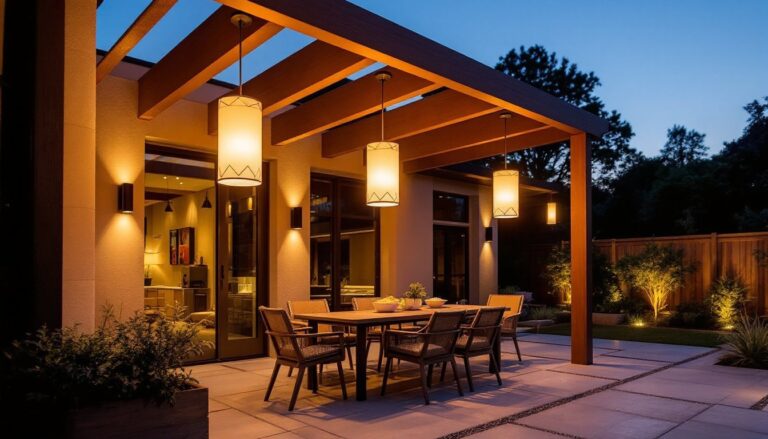
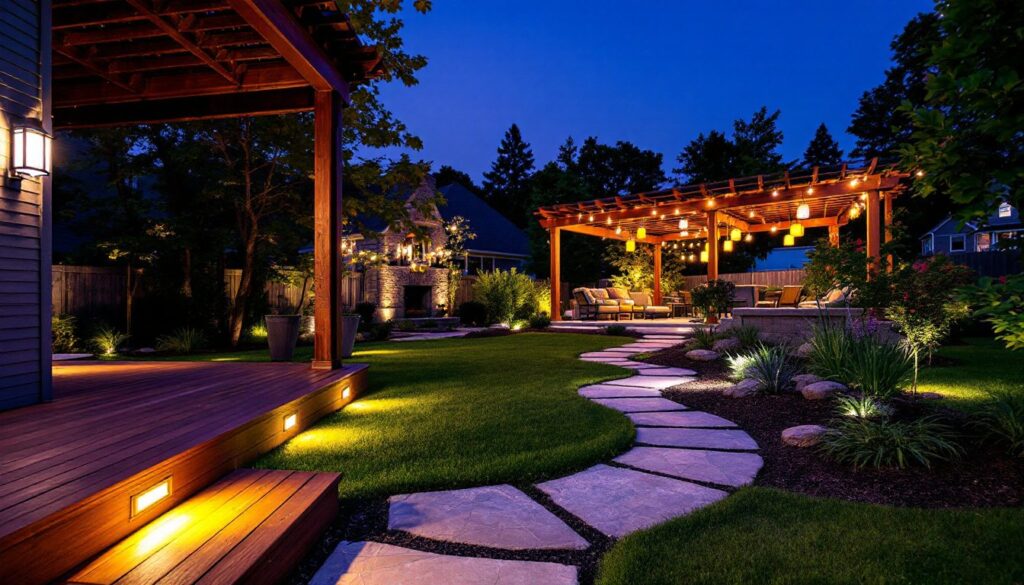
Outdoor lighting falls into broad categories, each solving different problems. Understanding these types helps you match fixtures to purpose before shopping locally. Wall-mounted sconces flanking an entry add security and visual interest. Recessed soffit lights illuminate deck surfaces. Post-top and bollard lights mark pathways. Spotlights highlight landscaping or architectural details. Ceiling-mounted fixtures provide general area illumination on covered porches or pergolas. String lights and decorative lanterns add charm for entertaining. Most homeowners benefit from a mix, overhead for broad coverage, accent lights for detail, and pathway lights for safety. The key is layering: general lighting, task lighting, and accent lighting working together.
Pathway and Accent Lights
Pathway lights are the workhorse of outdoor safety. Low-profile fixtures, typically 12 to 24 inches tall, mark edges, guide guests, and consume minimal power. Solar pathway lights require zero wiring: they charge during the day and activate at dusk via photocell sensors. No electrician needed, and they’re replaceable year to year if one fails. Accent lights (spotlights, uplights, and directional fixtures) highlight trees, plantings, or architectural features. A 50-watt halogen spotlight throws impressive distance and works well for statuary or dark corners. These fixtures typically require hardwired installation unless you choose the solar or battery-powered alternatives. Pathway lights cost $15–$50 per fixture: accent lights range from $30 to over $200 depending on wattage and finish.
Deck and Patio Lighting
Decks and patios need brighter, more direct illumination than pathways. Recessed deck lights (also called deck rail lights or step lights) mount flush into surfaces and cast light downward or horizontally. Overhead fixtures, ceiling-mounted or pendant-hung, provide general area lighting. Post-top lights atop deck railings or posts define edges and create ambient glow. String lights and cafe lights add softness for entertaining. For serious ambiance without harsh shadows, combine downlights with soft overhead lighting. LED deck lights have largely replaced incandescent options: they run cooler, last 25,000+ hours, and draw a fraction of the power. A typical deck setup might include 6–10 recessed step lights ($25–$75 each), one or two ceiling fixtures ($60–$200 each), and accent lighting as desired. Hardwired installation is standard for deck ceiling fixtures: many step lights work with 12-volt low-voltage systems, reducing shock hazard and simplifying wiring.
Finding Quality Outdoor Lighting Retailers Locally
Your best sources for quality outdoor lighting near you include big-box home improvement stores (stock broad ranges and competitive prices), local lighting specialists (expert advice and curated selections), electrical supply houses (contractor-grade gear and know-how), and online retailers shipping fast. Home Depot and Lowe’s carry adequate mid-range fixtures, often with in-house installation services. Dedicated lighting showrooms let you see fixtures in person before committing, a big advantage since photos don’t always capture finish quality or size accurately. Local electricians often recommend suppliers they trust: ask for referrals. Outdoor lighting retailers listed on platforms like Angi connect you with vetted pros and product sources in your area. When shopping, ask about warranty, return policy, and whether installation support is available. Many retailers offer free design consultations, use them. A good designer asks about existing light sources, dark spots, security concerns, and entertaining habits before recommending fixtures. Budget-conscious? Start with essential pathway and entry lights, then add ambiance and accent layers over time.
Smart and Energy-Efficient Outdoor Lighting Solutions
Smart outdoor lighting has matured significantly by 2026. LED fixtures consume 75% less energy than halogen or incandescent equivalents and outlast them by years. Smart bulbs and controllers let you dim, schedule, and automate lighting from your phone. Some systems integrate with voice assistants for hands-free control. Solar-powered smart lights exist but deliver less brightness and reliability than hardwired or battery-powered smart versions. Battery-powered smart lights (rechargeable or replaceable batteries) offer middle ground: no wiring, smart features, brighter output than budget solar. Expect to pay $30–$100+ per smart-enabled fixture. Over a 5-year lifespan, LED saves roughly 50–70% on electricity versus older tech, meaningful savings if you run outdoor lights multiple hours nightly. Motion-sensor lights cut unnecessary hours of operation: they activate only when movement is detected. HomeAdvisor and similar platforms offer cost calculators showing ROI on energy-efficient upgrades. For 2026 homes, smart systems also provide security integration: lights can trigger when doors open or motion sensors detect activity. Retailers increasingly stock smart outdoor kits from reputable brands: stick with established names (Philips Hue, LIFX, Lutron) that guarantee firmware updates and customer support. Battery drain is real in cold climates: anticipate seasonal battery replacements if you choose battery-powered smart lights rather than hardwired systems. Recent smart home tech guides compare reliability and feature sets across major platforms if you’re exploring integration with broader home automation.
Conclusion
Outdoor lighting needn’t be complicated or expensive. Start with safety essentials, well-lit pathways, entry points, and deck surfaces. Add accent and ambient lighting to match your entertaining style. Mix hardwired fixtures for brightness with solar options for ease. Invest in LED and smart technologies where it makes financial sense. And shop locally: good retailers provide hands-on guidance, warranties, and installation support that online shopping rarely matches. Your yard can shine brightly and safely year-round with the right approach.